三鑫新材料有限公司, 有限公司: 先进陶瓷领域的世界领先者 2008 年, 专业生产陶瓷研磨介质, 采矿业的耐磨零件和结构部件, 电子的, 制药, 航空航天和其他行业.
三鑫新材料有限公司, 有限公司: 先进陶瓷领域的世界领先者 2008 年, 专业生产陶瓷研磨介质, 采矿业的耐磨零件和结构部件, 电子的, 制药, 航空航天和其他行业.
氧化铝陶瓷 (氧化铝陶瓷, 铝2O₃) 由于其高硬度的结合,是现代工业中最受欢迎的材料之一, 耐磨性, 热稳定性和优异的电绝缘性能. 我们随时准备回答您的问题并提供有关我们的氧化铝陶瓷产品和综合服务的更多信息. 不管, 无论您是在开发定制原型还是为复杂的工业应用扩大批量生产, 我们的团队将帮助您释放这种独特材料的全部潜力.
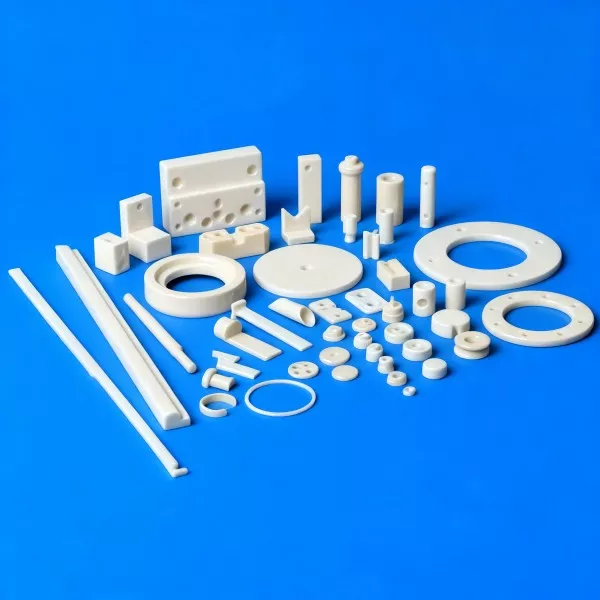
我们提供 定制氧化铝陶瓷, 根据客户的具体要求调整每个参数 - 从初始粉末的纯度到微米几何公差.
作为已完成项目的一部分,我们成功生产了:
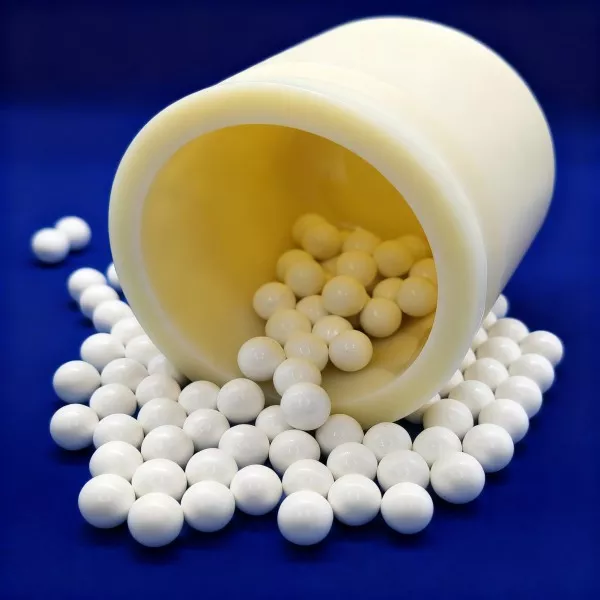
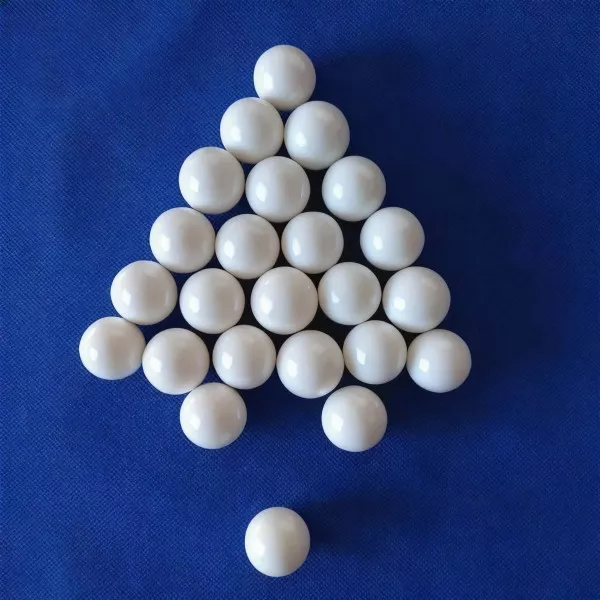
高精度 Al2O₃ 研磨球,
耐磨泵衬 和管道,
电气和高压绝缘体,
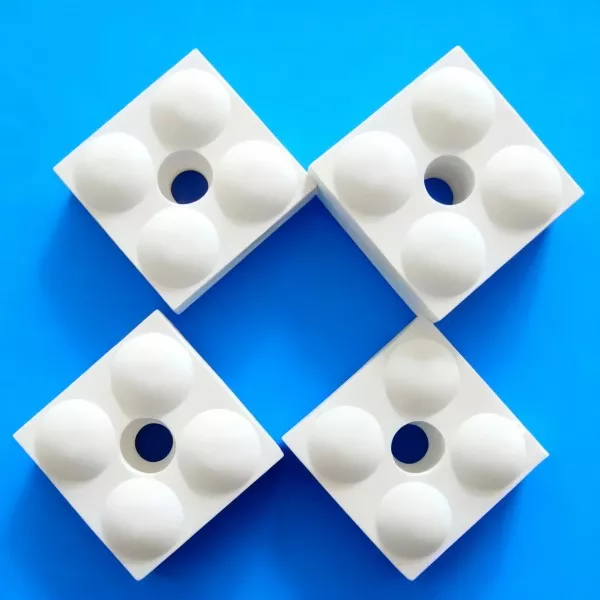
适用于恶劣环境的结构和保护元件.
准备开始设计定制零件? 立即联系我们 - 我们的工程师可以与您一起开发 CAD 模型, 快速计算参数并组织 加速原型制作, 显着缩短产品上市时间.
氧化铝陶瓷的历史可以追溯到 19 世纪末,与天然矿物 Al2O₃ 的发现有关 - 在角落里, 自古以来就因其卓越的硬度而受到重视,并被用于磨料, 还有宝石, 例如红宝石和蓝宝石.
关键的里程碑是发明 拜耳法 V 1887 奥地利化学家卡尔·约瑟夫·拜尔 (Carl Joseph Bayer). 该方法使得有效地从铝土矿矿石中提取氧化铝成为可能, 将这种地质稀有材料转变为铝生产的行业标准.
到20世纪初,氧化铝以磨料形式广泛用于砂轮和耐火材料。, 充分利用其莫氏硬度, 等于 9.
1930-这些年是一个转折点: 高品质合成氧化铝商品化为发展铺平道路 结构陶瓷, 远远超越传统磨料. 第二次世界大战后,电气化和航空航天工业的发展加速了氧化铝陶瓷在电子产品中的采用 (到 20 世纪 60 年代,包括高压绝缘子) 以及发动机制造领域, 事实证明其热稳定性至关重要.
生物医学应用早在 20 世纪 30 年代就开始出现, 然而,由于材料的高生物相容性,在 20 世纪 70 年代出现了大规模采用——主要是髋关节置换术. 目前,全球氧化铝产量超过 100 百万吨/年, 这强调了它对半导体的重要性, 可再生能源和可持续生产.
氧化铝陶瓷, 源自氧化铝 (铝2O₃), 属于现代工程材料重点类别. 她因她而闻名:
高硬度,
优异的电绝缘性能,
耐磨, 腐蚀和极高的温度.
化学稳定的 α 相氧化铝 (在结构中) 在相对较低的密度下提供卓越的抗压强度 3,6–4.0 克/立方厘米, 这使得该材料比钢更轻,同时在磨损条件下更加耐用.
由于其技术灵活性,氧化铝陶瓷可以生产多种形式 - 从微型精密球到大型结构衬里. 这使其成为各行业的最佳选择, 需要可靠性且没有金属的典型缺点的地方, 如腐蚀, 疲劳失效和防腐保护的需要.
氧化铝陶瓷的高效率得益于以下特性:
熔点以上 2000 ℃,
低导热率 20–35 W/mK,
优异的介电性能.
这使得该材料成为烤箱隔热的理想材料, 电动机和高温工业装置. 在严重磨损条件下,氧化铝陶瓷表现出磨损率 较少的 0,1 毫米立方/牛·米, 在电气绝缘应用中,介电强度超过 20 千伏/毫米, 有效防止电气故障.
从经济角度来看,Al2O₃ 仍然是最有利可图的技术陶瓷材料之一: 感谢拜耳工艺 30–50 % 比二氧化锆便宜, 同时提供 80–90 % 可比较的机械特性 在压缩条件下.
氧化铝陶瓷具有良好的环境特征:
材质无毒,
可回收的,
由广泛使用的铝土矿制成.
这减少了恶劣环境中金属的使用,符合可持续发展和绿色工业目标 2030 年.
Al2O₃ 基陶瓷有多种纯度等级可供选择, 每一个都针对特定的操作条件进行了优化:
92 % 铝2O₃,
95 % 铝2O₃,
99 % 铝2O₃,
99,9 % 高纯氧化铝,
99,99 % 超高纯氧化铝.
成分的差异让您可以控制强度, 电绝缘性能, прозрачностью и устойчивостью к хрупкому разрушению.
审查:
Промышленный стандарт с содержанием около 92 % 铝2O₃, обеспечивающий оптимальный баланс между стоимостью и износостойкостью.
改进:
Повышенная обрабатываемость и коррозионная стойкость благодаря мелкозернистой структуре (2–5 мкм).
应用领域:
Футеровки насосов, носители катализаторов, мелющие шары Al₂O₃ для цементной и горнодобывающей промышленности.
审查:
Наиболее распространённый отраслевой стандарт с чистотой 95 %.
改进:
Стабильные механические характеристики, улучшенная обрабатываемость и устойчивость к химическому воздействию.
应用领域:
Насосные системы, каталитические установки, мельницы для цемента и минералов.
Цвет и внешний вид:
Преимущественно белый или молочно-белый. Высокочистые марки (>99,5 %) могут быть полупрозрачными или почти оптически прозрачными. Поверхностная обработка позволяет получать матовые или отражающие покрытия.
Рекомендации по применению:
Следуйте инструкции по монтажу или свяжитесь с нашими специалистами для гарантии стабильных и долговечных результатов.
Твёрдость: Моос 9 (HV 1100–2000), уступает только алмазу.
抗裂性: K_IC 3–5,5 МПа·м¹/²; высокая прочность при сжатии, хрупкость при растяжении.
Прочность: сжатие 2000–4000 МПа, изгиб 250–500 МПа; модуль Юнга 280–390 ГПа.
Тепловые свойства: рабочая температура до 1800 ℃, низкий КТР 7–8,3 × 10⁻⁶ К⁻¹.
耐化学性: инертность при pH 0–14 (кроме горячих HF и HCl).
Износостойкость: 数量 <0,05 毫米立方/牛·米, 到 10 раз выше, чем у стали.
生物相容性: ISO 合规性 10993, низкое ионное выделение, одобрение FDA для контакта с пищевыми продуктами.
| 财产 | 单位. 改变. | 测试标准 | 92% 铝2O₃ | 95% 铝2O₃ | 99% 铝2O₃ | 99,9% 铝2O₃ | 99,99% 铝2O₃ |
| 材料 | – | – | Бледно-белый | Бледно-белый | 白色的 | Полупрозрачный | Прозрачный |
| 密度 | 克/立方厘米 | 国际标准化组织 18754 | 3,60 | 3,70 | 3,90 | 3,98 | 3,99 |
| 弯曲强度 | 兆帕 | ASTM C1161 | 250 | 300 | 400 | 450 | 500 |
| 抗压强度 | 兆帕 | ASTM C773 | 2000 | 2500 | 3000 | 3500 | 4000 |
| 杨氏模量 | GPa | ASTM C1198 | 280 | 320 | 350 | 380 | 390 |
| 断裂韧性 | 兆帕·米1/2 | ASTM C1421 | 3,0 | 3,5 | 4,5 | 5,0 | 5,5 |
| 泊松比 | – | ASTM C1421 | 0,22 | 0,22 | 0,22 | 0,22 | 0,22 |
| 硬度 HRA | 人力资源管理局 | Rockwell 45N | 90 | 92 | 94 | 95 | 96 |
| 维氏硬度 | 高压 | ASTM E384 | 1100 | 1300 | 1600 | 1900 | 2000 |
| Коэффициент термического расширения | 10⁻⁶ K⁻1 | ASTM E831 | 7,0 | 7,5 | 8,0 | 8,2 | 8,3 |
| 导热系数 | 瓦/米·K | ASTM E1461 | 18 | 22 | 28 | 32 | 35 |
| 抗热震性 | ΔT (℃) | – | 200 | 250 | 350 | 450 | 500 |
| 最大限度. температура использования в окислительной атмосфере | ℃ | 无负载 | 1400 | 1500 | 1650 | 1750 | 1800 |
| 最大限度. температура использования в восстановительной или инертной атмосфере | ℃ | 无负载 | 1300 | 1400 | 1550 | 1650 | 1700 |
| Объемное сопротивление при 20°C | 欧姆·厘米 | ASTM D257 | 1012 | 1013 | 101⁴ | 1015 | 10¹⁶ |
| 介电强度 | 千伏/毫米 | ASTM D149 | 15 | 18 | 22 | 28 | 30 |
| 介电常数 (1 兆赫兹) | – | ASTM D150 | 9,0 | 9,2 | 9,6 | 9,9 | 10,0 |
| 20°C 介电损耗角, 1 兆赫兹 | 正切δ | ASTM D150 | 6×10⁻⁴ | 4×10⁻⁴ | 2×10⁻⁴ | 1×10⁻⁴ | 5×10⁻⁵ |
笔记: Значения варьируются в зависимости от размера зерна/пористости; нано-марки могут превышать эталоны.
精密工程基准测试
Оксид алюминия сияет в экономичных, высоконагруженных ролях, часто опережая металлы по долговечности. 下面是扩展比较:
| 特征 | 氧化铝陶瓷 | 结构陶瓷 (例如, цирконий) | 玻璃 | 钢 | 碳化钨 |
| 强度和韧性 | 高压缩 (хрупкая в растяжении) | 杰出的 (相变强化) | 平均的, 脆弱的 | 高拉伸/压缩 | 出色的 (脆弱的) |
| 热稳定性 | 出色的 (плавление 1800°C) | 出色的 (2700℃) | 平均的 (~500°C размягчение) | Снижается >800℃ | 防火 |
| 耐磨性 | 卓越的 (μ 0,1–0,4) | 最高等级 | 平均的 | 缓和 (生锈) | 精英 |
| 耐腐蚀 | 高惰性 (pH 0–14) | 出色的 | 对酸有好处 | 无涂层倾斜度 | Химически-стойкая |
| 透明度 | 不透明 (полупрозрачная в высококачественной) | 不透明 (полупрозрачная YSZ) | 透明的 | 不透明 | 不透明 |
| 生物相容性 | 高的 (国际标准化组织 10993) | 医疗级 | 各不相同 | 各不相同 (过敏性的) | 各不相同 |
| 电气绝缘 | 出色的 (>10¹⁶ Ом·см) | 出色的 | 好的 | 导电 | 导电 |
| 磁性行为 | 无磁 | 无磁 | 无磁 | 常有磁性 | 无磁 |
| 价格 (每公斤) | 低的 ($5–20) | 缓和 ($50–100) | 很低 | 低的 | 高的 ($100+) |
Данные отрасли; экономичность оксида алюминия благоприятствует объемным приложениям, таким как шлифование.
耐用性: Твердость продлевает срок службы в 5–15 раз по сравнению с металлами в абразивах, снижая простои на 40%.
适应性: Работа от -200°C до 1800°C, универсальна для криогенного до печного использования.
Визуальная/функциональная отделка: Белая полупрозрачность помогает инспекции; полировка до Ra 0,01 微米.
最少的维护: Инертность сокращает ремонты коррозии в хим/минералах.
经济价值: На 50% дешевле карбидов, ROI через снижение загрязнения.
环境安全: Перерабатываемая, низкоэнергетический процесс Байера; нетоксичная для фармы/пищи.
性能可靠: 抗疲劳性 >107 周期; жесткая для прецизионных машин.
摩擦耐久性: Низкий износ в суспензиях, энергосбережение 15–25%.
对身体友好: 骨整合 >90% в имплантах.
防腐: Выдерживает кислоты без HF, vital для обработки.
热效率: Изолирует электронику, рассеивает в радиаторах.
Компоненты оксида алюминия доминируют там, где твердость встречает экономику, от шлифования до изоляции. Их устойчивость к абразии и чистота делают их vital. Вот расширенный обзор с топ-10:
Al₂O₃ шары шлифуют цемент (клинкер в порошок, энергосбережение) и минералы (руды в fines, равномерный ПСР). Износостойкие детали футеруют мельницы.
Бушинги/изоляторы для направляющих; подложки для ПП.
Датчики/конденсаторы с изоляцией; нагреватели равномерные.
Суставы бедра твердые/биосовместимые; стоматологические инструменты прецизионные.
Экраны двигателей экстремальные температуры; покрытия окислонепроницаемые.
Свечи стрессоустойчивые; футеровки трения низкие.
Линзы царапинонепроницаемые.
Тигли инертные эксперименты.
Сочетание оксида алюминия закрепляет его роль в эффективных инновациях, рынок до $106 十亿千 2032 年.
Хотя стандартный оксид алюминия непрозрачен, марки >99,5% достигают полупрозрачности (40–60% пропускания), позволяя оптику вроде сапфировых окон. 问题: контроль зерна во время спекания для ясности. 方法: HIP или легирование для фосфоров LED. 应用领域: биомедицинская визуализация, 光子学. 前景: нано-оксид алюминия для 90% прозрачности, революционизируя дисплеи.
Процесс начинается с закупки высококачественного порошка оксида алюминия. Этот порошок получают из боксита с помощью процесса Байера и его можно распылять для равномерного размера частиц.
Порошок смешивают с связующими, пластификаторами и добавками, затем перерабатывают шаровой мельницей для достижения равномерного распределения частиц.
Заготовка проходит термическое или химическое удаление связующих для предотвращения дефектов.
Детали спекают в высокотемпературной печи. Частицы сливаются, увеличивая плотность и прочность. Температура и атмосфера — критичные параметры.
Испытания на дефекты, размеры, прочность, рентгеновская дифракция, микроскопия.
Готовые детали упаковываются и направляются заказчикам или на дальнейшую обработку.
Путь оксида алюминия ориентирован на гибридизацию/устойчивость:
50 нм дисперсоиды удваивают вязкость для динамического шлифования.
Композиты с матрицей оксида алюминия для аэро, двигатели на 30% легче.
Подложки GaN на оксиде алюминия заменяют Si в 5G/ЭВ.
SLA для сложных футеровок, 浪费 -40%.
Переработанный боксит снижает CO₂ на 25%; производство в США/ЕС растет.
复合年增长率 3% 到 $106 十亿千 2032 年, ЭВ/5G двигают.
Керамика на основе оксида алюминия революционизирует долговечность/прецизию, превосходя сталь в суровых обязанностях. Для крупных проектов, лаборатории на месте/оптимизация поставок.
Оксид алюминия взлетел с процессом Байера 1887 年, его твердость/изоляция подпитывая послевоенную электронику/аэро. От абразивов к имплантам, его экономика/биосовместимость совпала с устойчивостью, обещая усиленные воздействия.