Sanxin New Materials Co., Ltd.: world leader in advanced ceramics with 2008 year, specializing in ceramic grinding media, wear-resistant parts and structural components for the mining industry, electronic, pharmaceutical, aerospace and other industries.
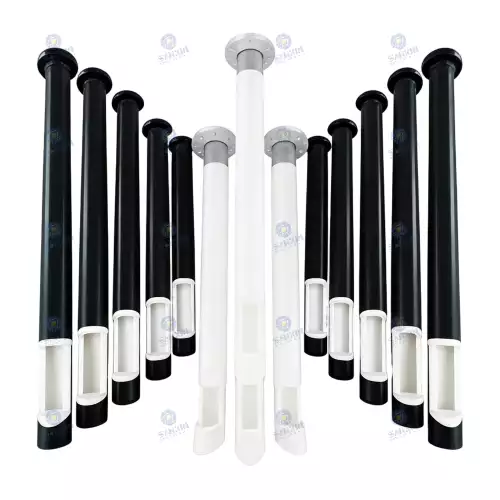
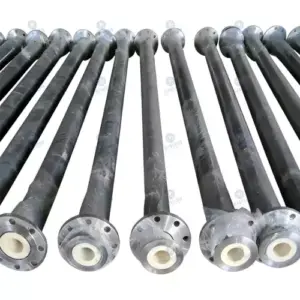
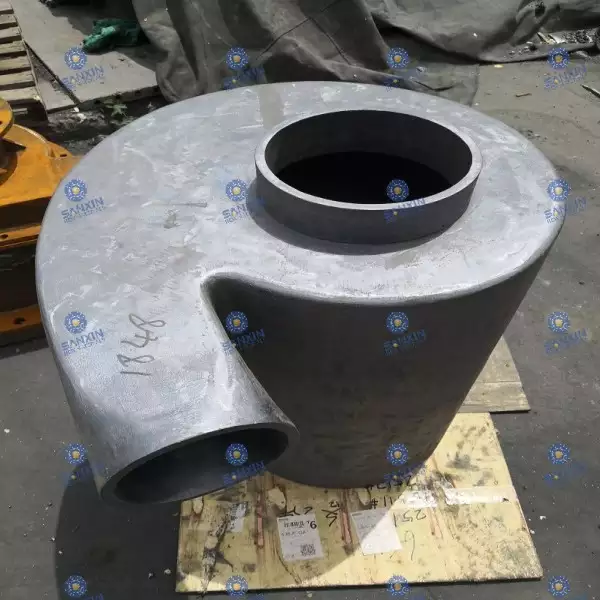
Solid cast wear-resistant ceramic steel pipe from Sanxin New Materials is a highly reliable engineering solution for corrosive and abrasive environments. The combination of the strength of steel and the wear resistance of ceramics ensures a long service life, resistance to high temperatures and corrosion, as well as reducing operating costs. Pipes are used in mining, metallurgical, energy, chemical and oil and gas industry. Website: www.beadballs.com — Email: sales@beadszirconia.com
Solid Wear Resistant Ceramic Steel Pipe - An Innovative Solution from Sanxin New Materials
Sanxin New Materials represents a high-strength engineering product - one-piece wear-resistant ceramic steel pipe, designed for use in extreme industrial conditions. This pipe combines the outstanding wear resistance of ceramic materials with the strength of a steel body., making it an ideal choice for harsh environments, high temperatures and abrasive effects. With unique production technology and comprehensive performance benefits, our pipes provide a longer service life, than traditional metal or plastic counterparts.
SEO Keyword:Solid cast wear-resistant ceramic steel pipe
Solid Wear Resistant Ceramic Steel Pipe - Sanxin New Materials
What is Solid Cast Wear Resistant Ceramic Steel Pipe
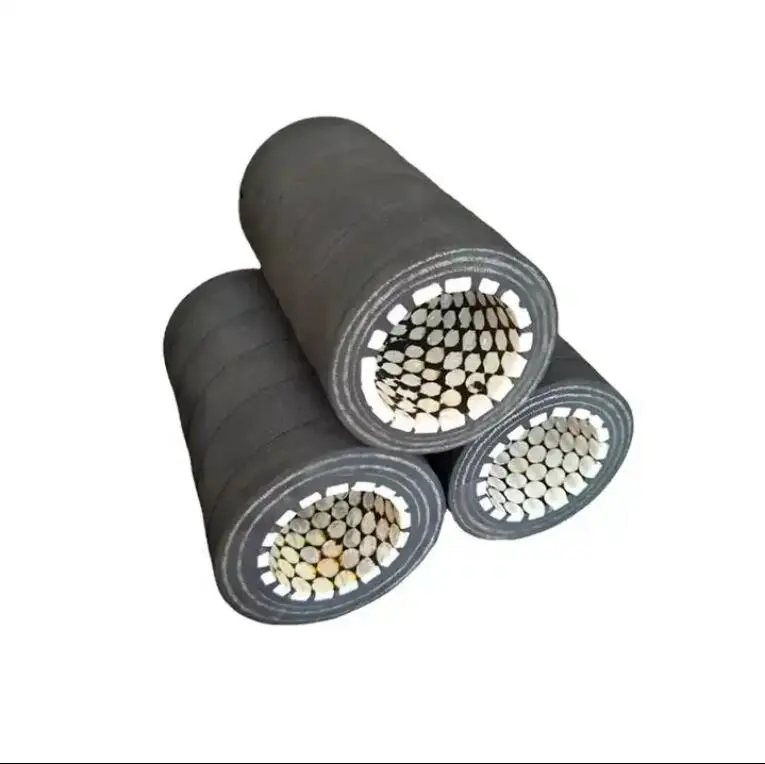
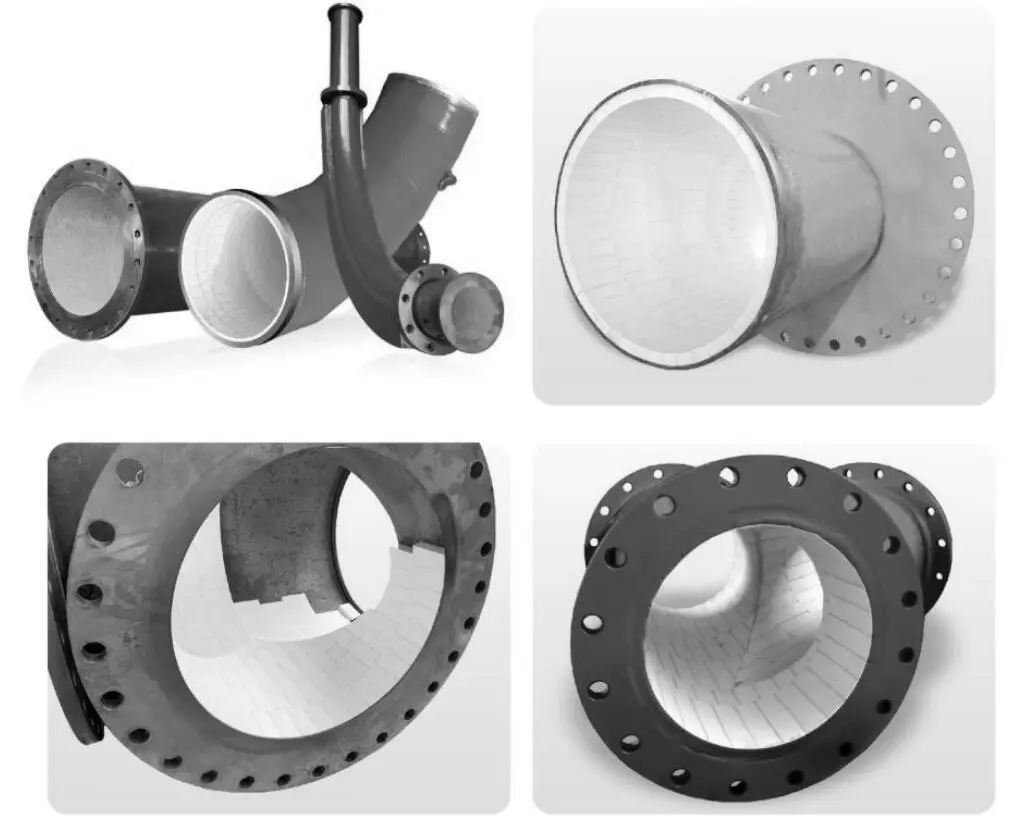
Solid cast wear-resistant ceramic steel pipe is a specialized industrial piping component, Made from durable steel base, the inner surface of which is made of monolithic technical ceramics. This design provides maximum resistance to mechanical wear, abrasive friction, high temperature conditions and corrosive environments.
Unlike lined pipes, where ceramics are bonded to metal, a solid pipe is manufactured as a single monolithic product with an integrated ceramic core, which eliminates the risk of delamination, cracks at the joint boundary and premature failure.
Advantages of solid cast wear-resistant ceramic steel pipe
Exceptional wear resistance
Ceramic materials, used in Sanxin New Materials pipes, have high hardness and minimal abrasiveness on the surface, which significantly reduces the wear rate when transporting solid particles, sludge, coal, ores and other abrasive media.
High corrosion resistance
Technological processes, associated with aggressive chemical environments (acids, alkalis, saline solutions), require sustainable materials. Solid pipe is not subject to corrosion, thanks to the chemical inertness of the ceramic inner surface and the protection of steel by the outer layer.
Heat resistance
Ceramic is resistant to extremely high temperatures (up to 1200–1600°C depending on material), making the pipes suitable for use in hot gas systems, flue gases, furnace bends, heat exchangers and other temperature-loaded lines.
Strength and resistance to mechanical stress
The steel backing ensures the strength of the entire structure and resistance to dynamic shocks, vibrations and loads, which may arise during the processing of materials and transportation of solid fractions.
Low coefficient of thermal expansion
Ceramics have a low coefficient of thermal expansion compared to metals. One-piece construction with properly selected materials minimizes internal stresses during thermal cycles, excluding thermal cracks.
Durability and operating savings
Thanks to the integrated structure, the service life of solid pipes significantly exceeds the service life of traditional metal and plastic counterparts. This reduces operating costs, reduce the frequency of repairs and equipment downtime.
Basic materials of solid pipes
Solid cast wear-resistant ceramic steel pipes are manufactured from carefully selected materials:
Technical ceramics
Aluminum oxide (Al₂O₃): standard choice for a wide range of abrasive conditions due to high hardness and chemical resistance.
Silicon carbide (SiC): optimal for extreme abrasiveness and high temperatures.
Zirconium oxide (ZrO₂): combines wear resistance with high resistance to thermal shock.
Ceramic composites: specially developed formulations for highly specialized tasks.
Steel bases
High-strength steel alloys are used, having excellent mechanical strength and the ability to accurately manufacture pipes of certain sizes and shapes.
Production process
The production of solid pipes is a complex high-tech process:
1. Preparation of powders
High-quality ceramic powders with controlled fraction and purity ensure a dense and durable structure of the product after sintering.
2. Formation of blanks
The blanks are molded by pressing, injection molding or extrusion to achieve the required geometry and density.
3. Introduction to Metal Matrix
The ceramic core is formed together with the steel base, which ensures the monolithic structure and eliminates delamination.
4. Sintering
High temperature sintering allows for high strength ceramics, minimal porosity and excellent mechanical properties.
5. Machining
After sintering, the pipe is processed: the inner surface is sanded, external walls are brought to precise dimensions.
6. Quality control
Each pipe undergoes multi-stage inspection: geometric parameters, strength, wear resistance, resistance to thermal stress and tightness.
Specifications
Parameter
Meaning
Product type
Solid cast wear-resistant ceramic steel pipe
Ceramic material
Al₂O₃ / SiC / ZrO₂ / composites
Reason
High strength steel
Inner diameter
From 50 mm to 1000 mm or more (upon request)
Wall thickness
Depends on diameter and operating conditions
Hardness of the inner layer
≥ 9 Mohs scale
Operating temperature
up to 1200–1600°C
Wear resistance
Very high
Chemical resistance
Very high
Installation methods
Flanged, coupling, welded, combined
Service life
Exceeds traditional pipes (at times)
Applications
Mining industry
Solid pipes are used for transporting abrasive pulp, solid mineral particles and waste, where metal pipes wear out quickly.
Cement production
Used in clinker supply lines, grinding systems, feed chutes and waste lines, where high abrasion resistance is required.
Metallurgy
In slag transportation areas, molten slag and abrasive materials, solid pipes maintain geometric stability and performance.
Energy
In fuel lines, chimneys and heat exchangers, the ceramic inner layer protects against aggressive environments and high temperatures.
Oil and gas industry
In systems for pumping solid and abrasive flows (For example, sand-oil mixtures), where standard pipes quickly fail.
Chemical and pharmaceutical industry
Solid pipes are used in lines for pumping aggressive solutions, acids, alkalis and other corrosive media.
Advantages of solid pipes compared to alternatives
Characteristic
Solid cast wear-resistant ceramic steel pipe
Metal pipes
Plastic pipes
Wear resistance
Very high
Average
Low
Heat resistance
Very high
Average
Low
Corrosion resistance
Very high
Medium/low
Average
Strength
High
High
Low
Installation and repair
Moderate
Easy
Easy
Service life
Long
Average
Average
Operating savings
High
Average
Low
Installation of solid pipes
Flange connection
The most common installation method, allowing for quick dismantling and maintenance of pipeline sections.
Coupling connection
Used for sealed areas where special insulation or seals are required.
Welded joint
Provides structural strength at large diameters or high pressures.
Combined methods
Combines the advantages of several methods, which is especially effective on difficult routes.
Selection Guide
Assessment of operating conditions
Analyze:
abrasiveness of the medium;
temperature range;
chemical aggressiveness;
required strength indicators.
Selection of materials
Al₂O₃ - for standard abrasive conditions;
SiC — in conditions of high abrasiveness and temperatures;
ZrO₂ - for thermal stability and resistance to thermal shocks;
Composites - for specialized tasks.
Dimensions and parameters
Select inner diameter, wall thickness and length of sections in accordance with the technical requirements of the project.
Fastening methods
Determine connection methods: flanged, coupling or welded - depending on the pipeline configuration.
Frequently Asked Questions (FAQ)
Question: At what temperatures can solid pipes be used?? Answer: Depending on the ceramic material - up to 1200–1600°C.
Question: Is the product suitable for aggressive chemical environments?? Answer: Yes, The inner surface is resistant to most acids and alkalis.
Question: What material to choose for transporting the abrasive mixture? Answer: Silicon carbide recommended (SiC) due to high hardness and heat resistance.
Question: Is it possible to make a pipe to individual sizes?? Answer: Yes, Sanxin New Materials carries out individual orders according to technical specifications.
Order and technical support
Sanxin New Materials provides:
✔ Individual selection of pipes for specific technological tasks; ✔ Production according to customer technical drawings; ✔ Technical advice and support at all stages: from design to installation; ✔ High-speed logistics and after-sales support.